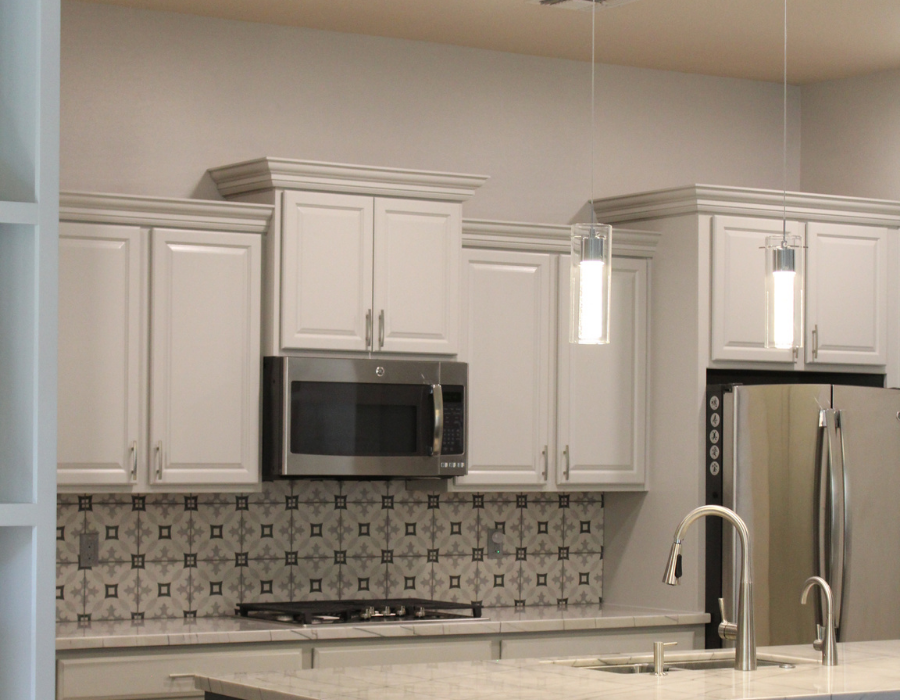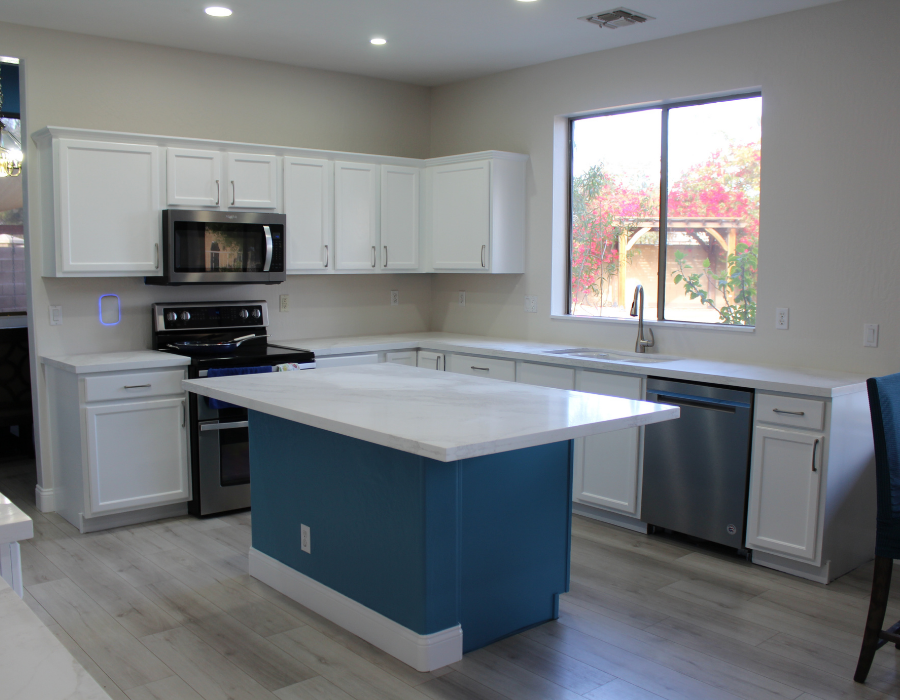
Painting cabinets is one of the most effective ways to transform a kitchen or bathroom without the cost of a full remodel. But one question comes up every time: how many coats of paint are needed for cabinets? It seems simple, but the answer depends on several important factors—like the condition of your cabinets, the type of paint you use, and whether you properly prepare the surface.
Applying too few coats can leave you with streaks, uneven coverage, and a finish that wears down quickly. On the other hand, applying too many coats without proper technique can lead to drips, buildup, and a less professional look. The goal is to strike the right balance so your cabinets look smooth, durable, and long-lasting.
In this guide, you’ll learn exactly how many coats of paint cabinets typically need, when you might need more or fewer, and how to apply each layer correctly. Whether you’re planning a DIY project or hiring a professional, this will help you get results that actually last.
How Many Coats of Paint Do Cabinets Need?
Quick Answer:
Most cabinets require two coats of paint over a properly primed surface for a smooth, durable, and professional finish.
In total, a standard cabinet painting process includes:
- 1 coat of primer
- 2 coats of paint
However, some situations may require additional coats depending on color change, material, and paint type.
Why the Number of Coats Matters
Cabinets are not like walls. They experience:
- Frequent touching
- Grease and moisture exposure
- Regular cleaning
This means they need a finish that is:
- Durable
- Smooth
- Resistant to wear
Using the right number of coats ensures:
- Even color coverage
- Strong adhesion
- Long-lasting results
Skipping coats or rushing the process can lead to peeling, chipping, and early repainting.
What Is Considered a “Coat” of Paint?
Quick Answer:
A coat of paint is a single, even layer applied across the entire surface, allowed to dry fully before the next layer is added.
Each coat should:
- Cover evenly
- Be thin enough to avoid drips
- Fully dry before recoating
Multiple thin coats are always better than one thick coat.
Standard Cabinet Painting Process (Step-by-Step)
To understand how many coats you need, it helps to understand the full process.
Step 1: Cleaning and Degreasing
Cabinets collect oils, grease, and residue over time.
Use:
- Degreaser
- Mild cleaning solution
This step is critical for paint adhesion.
Step 2: Sanding the Surface
Sanding helps:
- Remove old finish
- Create texture for paint to stick
Light sanding is usually enough unless the surface is heavily damaged.
Step 3: Applying Primer (1 Coat)
Primer is essential for cabinets.
It:
- Seals the surface
- Improves adhesion
- Blocks stains
Without primer, paint may not stick properly.
Step 4: Applying Paint (2 Coats Minimum)
Most cabinets require:
- First coat: Base coverage
- Second coat: Full color and durability
Each coat should be:
- Thin
- Even
- Fully dried before the next
When You Might Need More Than Two Coats
Not every cabinet project is the same.
You may need 3+ coats if:
- You’re painting dark cabinets a light color
- The surface is highly porous
- You’re using lower-coverage paint
- The previous finish shows through
How to Know If You Need Another Coat
Look for these signs:
- Uneven color
- Visible brush or roller marks
- Streaks or patchiness
- Underlying color bleeding through
If you notice any of these, apply another thin coat.
Why Does Cabinet Paint Require Multiple Coats?
Quick Answer:
Cabinet paint requires multiple coats to build durability, ensure even color coverage, and create a smooth, professional finish that can withstand daily use.
Each layer strengthens the finish and improves longevity.
What Type of Paint Works Best for Cabinets?
Not all paints perform the same.
Recommended types:
- Acrylic enamel
- Alkyd (water-based enamel)
- Cabinet-specific paints
These provide:
- Smooth finish
- Strong durability
- Resistance to moisture and wear
Brands like Benjamin Moore and Sherwin-Williams offer cabinet-specific paints designed for high-use surfaces.
How Long Should You Wait Between Coats?
Quick Answer:
You should wait 4–24 hours between coats, depending on the paint type and manufacturer instructions.
Rushing this step can lead to:
- Peeling
- Bubbling
- Uneven finish
Always follow the label guidelines.
Common Mistakes When Applying Multiple Coats
1. Applying coats too thick
Leads to drips and uneven surfaces.
2. Not letting coats dry fully
Causes peeling and poor adhesion.
3. Skipping primer
Reduces durability and coverage.
4. Not sanding between coats
Can result in rough texture.
Do You Need to Sand Between Coats?
Yes, lightly sanding between coats helps:
- Smooth imperfections
- Improve adhesion
- Create a professional finish
Use fine-grit sandpaper (220 grit or higher).
Brush vs Spray: Does It Affect Coats?
Yes.
Brush/Roller:
- May require more coats
- Slightly more texture
Spray:
- Smoother finish
- More even coverage
- Often achieves better results with fewer coats
Professionals often use sprayers for cabinet projects.
How Cabinet Material Affects Coating Needs
Wood Cabinets:
- Absorb more paint
- May need extra coats
MDF (Medium-Density Fiberboard):
- Smooth surface
- Usually requires fewer coats
Laminate Cabinets:
- Require special primer
- May need additional coats for adhesion
Internal Linking Opportunities
- [Insert internal link here] – Cabinet Painting Services
- [Insert internal link here] – Interior Painting Guide
- [Insert internal link here] – Renovation Services
How to Get a Smooth, Professional Finish
Follow these tips:
- Use high-quality brushes or sprayers
- Apply thin, even coats
- Sand lightly between coats
- Allow proper drying time
- Work in a dust-free environment
These steps make a major difference in final results.
Cost vs Quality: Why More Coats Can Be Worth It
Adding an extra coat may increase time and cost, but it improves:
- Durability
- Appearance
- Longevity
A properly painted cabinet can last 8–10 years or more.
Conclusion
So, how many coats of paint are needed for cabinets?
In most cases, the answer is two coats of paint over one coat of primer. This combination provides the coverage, durability, and smooth finish needed for cabinets that see daily use. However, depending on your cabinet material, color change, and paint quality, you may need an additional coat to achieve the best results.
The key is not just the number of coats, but how each layer is applied. Proper preparation, thin coats, and adequate drying time are what separate a long-lasting finish from one that chips or fades quickly.
If you’re unsure about the condition of your cabinets or want a flawless result, working with a professional can make all the difference.
👉 Ready to upgrade your cabinets? Get a free estimate and see how a professional finish can completely transform your space.
FAQ
Can I paint cabinets with just one coat?
No, one coat is usually not enough. It won’t provide full coverage or durability.
Do I always need primer for cabinets?
Yes, primer helps paint adhere properly and improves durability.
How long does cabinet paint last?
With proper prep and coating, cabinet paint can last 8–10 years.
Can I skip sanding if I use primer?
No, sanding helps create a surface that paint can bond to.
What happens if I apply too many coats?
Too many thick coats can lead to buildup, drips, and uneven finishes.
Is spraying better than brushing?
Spraying often provides a smoother, more professional finish.
How long does the full cabinet painting process take?
Typically 3–5 days, including drying time.